




About GENAVCO
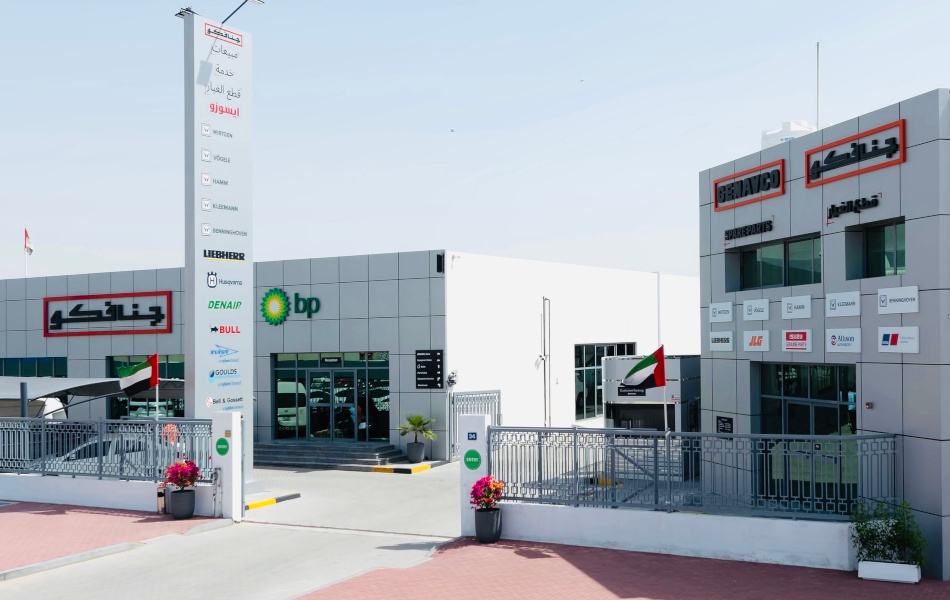
GENAVCO, established by His Excellency Juma Al Majid in 1967 as part of the renowned Juma Al Majid Group, has been a driving force in the UAE's industrial landscape for over five decades.
While celebrating its operations in the UAE for the past 50 years, GENAVCO's spirit remains youthful, continuously embracing new opportunities and expanding its horizons.

What we do
































Latest News and Updates
Celebrating a Year of Unprecedented Success
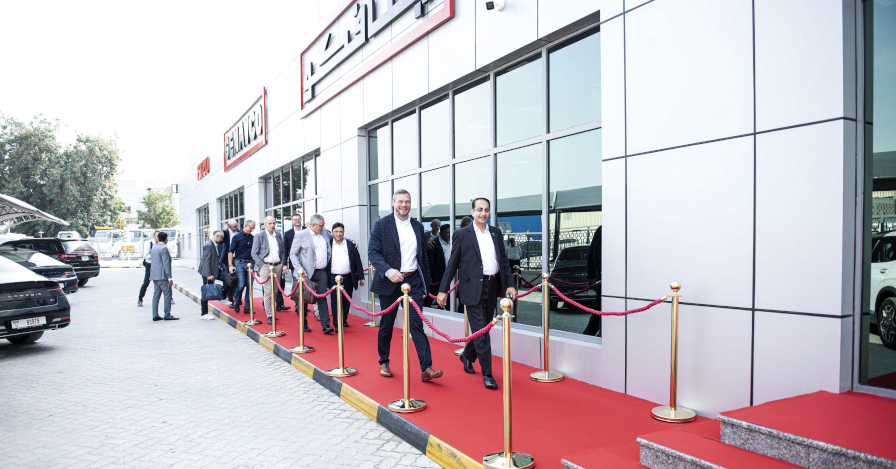
GENAVCO, a leading name in the Heavy Equipment sector in the UAE, recently had the privilege of hosting a prestigious delegation led by Mr. Jason Ambroson, the Managing Director of Wirtgen International. The visit marked a pivotal moment in the ongoing collaboration between the two industry giants and unfolded as a comprehensive review of the remarkable achievements of 2023. The high-level delegation represented six prominent companies under the Wirtgen Group banner, including Vogele, Hamm, Wirtgen, Benninghoven, Kleemann, and Streumaster. The purpose of the visit extended beyond a routine performance review; it aimed to delve into strategic discussions regarding the business plan and collaborative strategies for the upcoming year, 2024. A focal point of the visit was GENAVCO's all-new facilities in Umm Ramoul, meticulously designed to meet the demands of the rapidly evolving Heavy Equipment sector. The delegation was given an immersive tour, providing insights into the latest technological advancements and operational excellence embedded in the facility. The state-of-the-art infrastructure left an indelible impression on the Wirtgen Group delegates, reinforcing the strength of the partnership. As the review of 2023 performance unfolded, it became evident that this year had been truly exceptional, setting records for Wirtgen Group products. GENAVCO's effective distribution network and commitment to excellence played a pivotal role in achieving these milestones, highlighting the synergy between the two entities. Strategic discussions centered on aligning business plans and formulating forward-looking strategies for 2024. The collaborative efforts aim to leverage market trends, embrace technological innovations, and address evolving industry demands. Mr. Jason Ambroson, Managing Director of Wirtgen International, expressed his overwhelming appreciation for GENAVCO's role in the success of Wirtgen Group products in the region. He commended GENAVCO's dedication, expertise, and its pivotal position as a strategic partner. "We are delighted to witness the remarkable growth and success achieved by GENAVCO in 2023. The dedication, expertise, and state-of-the-art facilities exemplify the qualities we value in a strategic partner. The collaborative spirit between Wirtgen Group and GENAVCO is a driving force behind our shared success," remarked Mr. Ambroson. As the collaboration between GENAVCO and Wirtgen Group continues to strengthen, the two entities look forward to shaping the future of the Heavy Equipment sector, setting new benchmarks and redefining industry standards.

Big 5 Dubai: Genavco shows off its family of equipment, debuts new partner brands
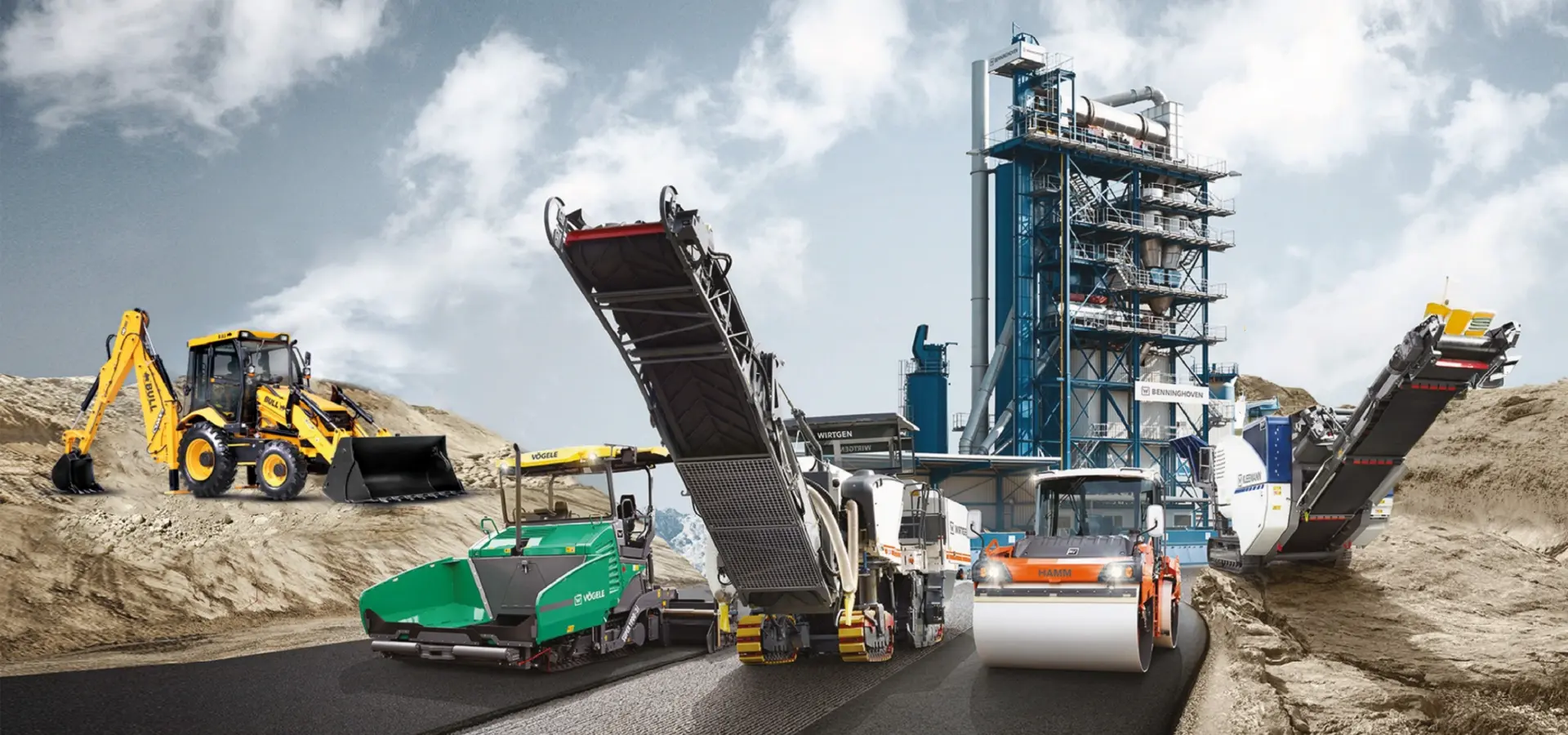
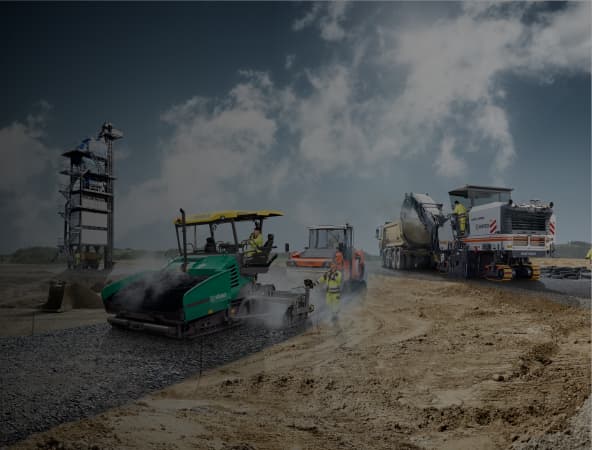
Juma Al Majid Group company Genavco brings its big-name principals such as Denair, JLG, Avant Tecno, Husqvarna, Bull, Hamm and others to region's largest construction sector event The Big 5 Heavy saw UAE-based equipment and vehicles heavyweight Genavco bring several of its important brands to the event. The Juma Al Majid Group company, which represents some of the biggest names in the road-construction equipment, AWP, earthmoving and various other segments, exhibited together with its partners at Big 5. The Genvaco stand saw representatives and machinery from Denair compressors, Bull compact earthmoving equipment, access sector heavyweight JLG, Avant Tecno and Husqvarna, apart from other brands the company represents such as Hamm. Speaking about Genavco’s brands exhibited at Big 5, Asif Sayeed Khan, General Manager, Heavy Equipment, Genavco, said: “We have a leading position in the road construction segment, where we represent the Wirtgen Group of brands, comprising the Wirtgen milling machines, Vogele asphalt pavers and Hamm rollers and compactors. We are by far the market leaders in this segment in the UAE for many years now. All the road contractors are our key customers. The airports and major highways in the country have been built using machines that we have supplied. “We have had great success in 2023 with Hamm compaction equipment and we are planning to go aggressively into the soil compaction segment in 2024. Bull is a new partner for us and a promising one, too, on the compact earthmoving side. Genavco Power Solutions “Last but not least, we have our own brand, GPS or Genavco Power Solutions, with products powered by John Deere engines, which we also represent. We offer generators starting from 30KVa to 3,000KVa and we can also offer them with Perkins or Cummins engines. We use another quality product – Leroy Somer – on the alternators side.”

Group holds 2022 performance awards ceremony
During a ceremony held on 25 January 2023 at the Le Méridien Dubai Hotel & Conference Centre, Mr. Tarig Shalabi, Group Chief Operating Officer for Juma Al Majid Holding Group, hosted and awarded the best performing business units and over 100 employees from across the Group’s businesses and divisions for their respective 2022 performance. Congratulating the best performing business units on receiving their awards, Mr. Tarig Shalabi said: “2022 was an exceptional year and multiple business units performed well, however this time it was Genavco and Juma Al Majid Est/Hyundai UAE who performed outstandingly well and each deserving the title of Number 1 Best Performing Business for their efforts, delivery of their KPIs and performance throughout 2022.” The ceremony was also attended by members of the C-suite team, Mr. Abdullah Al Majid - Executive Director, as well as directors, general managers, and executives from across the group’s businesses and divisions. The ceremony also included individual awards for performance delivered beyond expectations: - Special Award: Mr. Vijayan Asirvadam for securing savings in the millions of UAE Dirhams to Gulfco’s opera- tions; it is worth noting that Mr. Asirvadam was awarded a KIA Sonnet as a thank you for his outstanding performance. - Best Salesman of the Year: Mr. Hamid Muhd Iqbal for exceeding his vehicle sales target for Isuzu at Genavco. Addressing the attendees, Mr. Shalabi said: “All employees, irrespective of grade level, role or position contribute towards delivering the KPI’s of any organisation. With this in mind, I am pleased to announce that this year we are recognizing those employees – grade 7 and below – for their exceptional individual efforts and contributions to the businesses they are part of. We are also recognizing the Group’s best drivers, best security guards and supervisor, and best labor camp and the team behind it.” Mr. Shalabi continued: “These employees went above and beyond their job responsibilities to deliver excep- tional performance, and for that it gives me great pleasure to award each of them with a certificate and a financial reward. On behalf of the Group, I would like to convey my sincere gratitude for their contributions, outstanding performance, dedication, and professionalism.” The Ceremony ended with Mr. Shalabi stating: “We have by far exceeded all the KPI’s we had set – so thanks to all for the great performance and hard work… congratulations once again to all the winners, and I look forward to your contributions and equally impressive results in 2023.”

Truck & Fleet Awards ISUZU
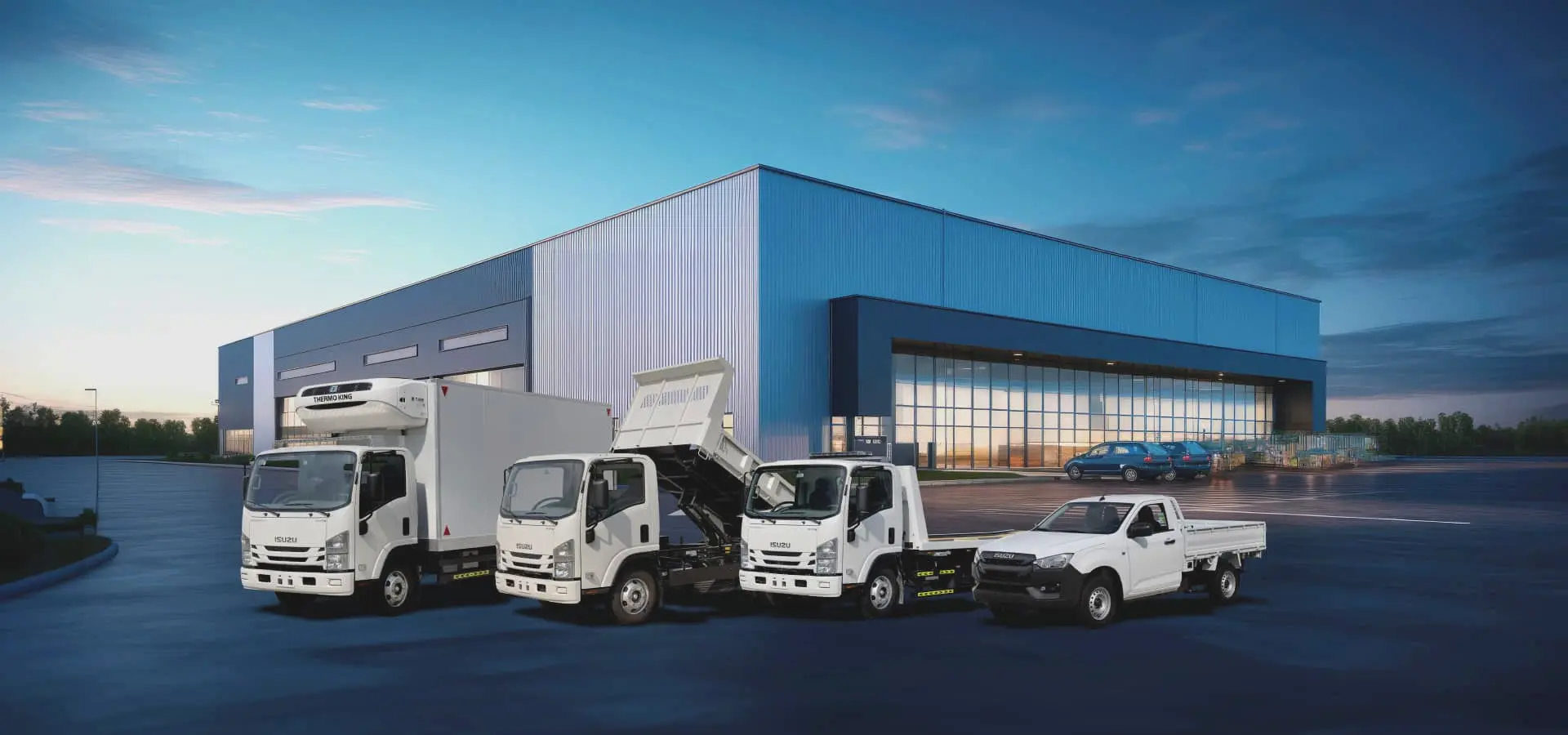
In a gala dinner held at the Raffles Hotel in Dubai, Truck and Fleet Magazine voted ISUZU N-Series as the Light Duty Truck of the Year for 2021. 3,000 people along with a specially recruited judging panel voted in the awards aimed at celebrating manufacturers and dealers whose trucks play a key role in the operations, logistics and projects at the heart of the region’s economy. The awards honor the achievements of the key players responsible for the industry’s dramatic post-Covid re-set. With its singular combination of cutting-edge safety features, unbeatable performance, effortless drive-ability, unparalleled driver comfort, low operating costs, and high productivity, the ISUZU N-Series ticks all those must-haves for business and fleet owners alike – it’s little wonder it was voted the Truck & Fleet Light Duty Truck of the Year award. The N-Series lineup covers a comprehensive array of models between 4,550 to 8,500 GVW (Kg) - designed to handle the full range of trucking needs of any business. This smart and innovative series has garnered a strong following around the world and certainly in the UAE too. “I am proud of my team for their dedication and hard work over the past 3 years – this award is dedicated to them” said Anton Du Plessis, General Manager – Commercial Vehicles Division at GENAVCO, the exclusive distributor for ISUZU in the UAE.
Blog
Pallet Trolleys in the UAE: Reliable Ground-Level Pallet Handling
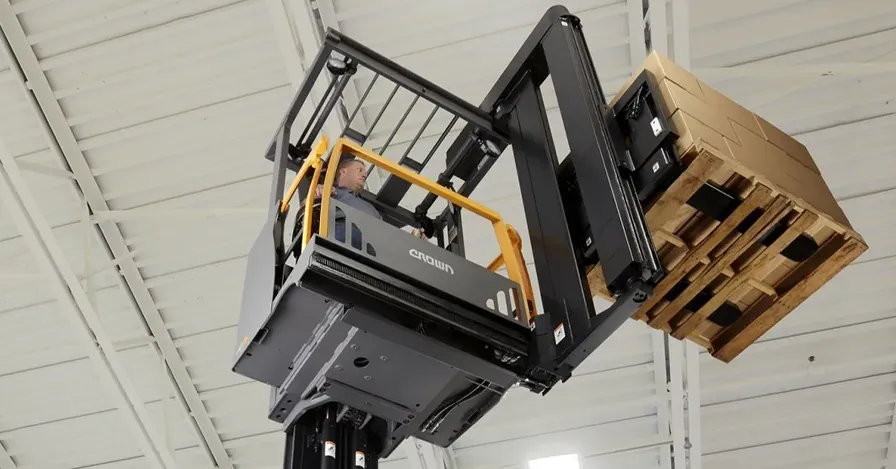
Not every pallet move needs a powered machine, and buying one anyway is a common way to overspend on the simplest part of a warehouse fleet. A pallet trolley - a hand pallet truck - handles short-distance, ground-level transfers at a fraction of the capital and running cost of a forklift, and a durable one keeps dock operations moving through high-volume periods without becoming the bottleneck. This guide covers what a pallet trolley does, when a manual truck is enough versus when an electric one earns its cost, and the Crown PTH Series hand pallet truck range GENAVCO supplies across the UAE. What a Pallet Trolley Actually Does A pallet trolley - also called a hand pallet truck or pallet jack — is a wheeled device with two forks that slide under a pallet, raised by a hydraulic hand pump, used to move palletised loads short distances across a dock or warehouse floor. It's the simplest piece of powered-lift material handling equipment in most fleets, and it's used far more often per shift than its low cost would suggest. Manual vs Electric Pallet Trucks Factor Manual hand pallet truck Electric / rider pallet truck Power source Hydraulic hand pump Battery-powered Best for Light to moderate daily use Higher-volume or longer-distance moves Capital cost Lowest Higher Operator effort Manual push/pull Powered travel, lower fatigue Typical setting Dock, retail backroom, general floor use High-throughput distribution centres Genavco's Pallet Trolley Range — Crown GENAVCO is the authorised UAE distributor for Crown Equipment Corporation and supplies the Crown PTH Series hand pallet truck. Standard 2,300 kg capacity: regardless of the selected fork length. Built for durability and serviceability: designed to exceed everyday application demands rather than wear out under routine use. The Crown Pallet Truck Range Available in the UAE Product Type Suited to Crown PTH Series Manual hand pallet truck 2,300 kg capacity, dock and floor-level transfers Crown WT 3000 Series Electric rider pallet truck 2,000–2,500 kg capacity, higher-volume and longer-distance moves 1. Crown PTH Series (Manual) Capacity: standard 2,300 kg, regardless of selected fork length. Build: designed for durability and serviceability to exceed everyday application demands. Best suited to: loading docks, retail backrooms and general warehouse floor use. View Crown hand pallet trucks 2. Crown WT 3000 Series (Electric Rider) Capacity: 2,000 and 2,500 kg configurations available. Design: engineered to be powerful and flexible for higher-volume pallet transfer work. Best suited to: longer travel distances and higher daily cycle counts than a manual truck comfortably handles. View Crown material handling equipment Fork Length and Configuration Options Standard fork length suits most single-pallet moves, but several configuration factors affect which pallet trolley fits a given operation: Fork length: must match pallet footprint — undersized forks reduce load stability, oversized forks reduce manoeuvrability in tight spaces. Wheel material: polyurethane wheels suit smooth indoor floors; nylon or rubber wheels handle rougher or outdoor dock surfaces better. Low-profile designs: needed where pallets sit on shallow decking or where dock levellers restrict entry height. Scale-integrated trucks: weigh the load during the move, useful where dispatch weight needs recording without a separate weighing step. Sector-Specific Pallet Trolley Applications Retail backroom and store replenishment: manual trucks handle frequent, short-distance stock transfers between backroom and shop floor. Loading docks and cross-docking: high daily cycle counts make build durability the deciding factor over price. Light manufacturing floors: pallet trolleys move work-in-progress between stations where a forklift would be oversized for the distance involved. Maintenance and Service Life A pallet trolley looks simple enough to ignore on a maintenance schedule, but the units used most heavily are often the least inspected — and the most likely to fail at an inconvenient moment. Hydraulic pump wear: a manual truck's hydraulic pump is the component most likely to fail under sustained high-volume daily use, and it's serviceable rather than a reason to replace the whole unit. Wheel and bearing condition: worn wheels increase pushing effort and operator fatigue long before they cause a breakdown — a routine visual check catches this early. Fork and chassis inspection: impact damage from dock-edge contact or overloading can weaken the fork assembly in ways that aren't visible without a scheduled check. Genuine parts for repair: matching replacement components preserve the original capacity rating — a generic part may fit but not carry the same load safely. Electric and Rider Pallet Truck Considerations Where volume or distance justifies the step up from manual, electric and rider pallet trucks bring their own specification questions beyond capacity: Ride-on vs walk-behind: ride-on versions suit longer travel distances; walk-behind versions suit shorter, more frequent moves with better manoeuvrability. Battery and charging plan: multi-shift operation needs a charging strategy decided at specification, matching the pattern used for electric forklifts. Speed and control: powered travel speed should match the dock or floor environment — faster isn't always better in congested areas. Not sure whether a manual or electric pallet truck suits your operation? Send us your typical daily volume and travel distance — our team will recommend the right configuration. REQUEST A PALLET TROLLEY QUOTATION Advantages of Specifying the Right Pallet Trolley Lower cost per move: for short, ground-level transfers, a pallet trolley costs a fraction of a forklift to buy and run. Fewer breakdowns under daily use: a durable truck built for the application avoids the repeated servicing that a lighter-duty unit needs under heavy dock use. Faster dock turnaround: the right capacity and fork length keep dock transfers moving during high-volume periods. No charging or fuel infrastructure needed: manual units require no power source at all, simplifying dock-level operations. Accessories and Add-On Options Brake systems: parking brakes matter on sloped dock aprons or ramp access points, where an unbraked trolley can roll unexpectedly. Reinforced fork tips: reduce wear where forks regularly contact concrete floors or dock edges during entry under a pallet. Weighing scales: integrated scales record load weight during the move, removing a separate weighing step in dispatch-heavy operations. Single vs double fork configurations: double or splayed forks improve stability under uneven or overhanging loads compared with standard straight forks. How to Specify a Pallet Trolley Step 1 - Confirm typical pallet weight against rated capacity - running near the limit daily shortens service life. Step 2 - Choose fork length to match your pallet dimensions and any double-pallet handling needs. Step 3 - Decide manual versus electric based on daily volume and travel distance, not just budget. Step 4 - Plan for floor conditions - wheel type affects performance on uneven or outdoor dock surfaces. Choosing Between a Pallet Trolley and an Order Picker or Forklift Not every ground-level move justifies a pallet trolley, and not every pallet trolley job should be handled by a forklift instead — the deciding factors are distance, frequency and whether the load needs lifting to height. Distance under roughly 30–50 metres: favours a pallet trolley over deploying a forklift for a single short transfer. No lift height required: if the pallet only needs to move at floor level, a trolley avoids the cost of powered lift capability that goes unused. High transfer frequency: very high daily cycle counts on the same route may justify an electric pallet truck over a manual one, even at short distances. Uneven or ramped floors: surfaces that a manual trolley struggles with may need either an electric unit or a different equipment type entirely. Pallet Trolleys in UAE Warehouses High daily-use volume on docks: UAE distribution and re-export operations put pallet trolleys through frequent daily cycles, making build durability a genuine cost factor. Mixed indoor/outdoor dock conditions: wheel and frame specification should account for dock aprons exposed to heat and dust. Why Choose GENAVCO for Pallet Trolleys in the UAE Part of Juma Al Majid Holding Group: decades of established presence in the UAE market and the stability of a major regional group. Authorised Crown representation: genuine equipment with factory-backed specification and full warranty integrity. In-country spare parts inventory: our genuine spare parts operation holds stock locally so servicing isn't delayed waiting on shipment. Certified service and maintenance: scheduled servicing and breakdown response through our repairs and maintenance division across the UAE. Common Pallet Trolley Mistakes Buying on price alone: a lighter-duty truck used at high daily volume breaks down more often than a properly specified one costs to buy. Ignoring fork length against pallet dimensions: a mismatched fork length slows every transfer and increases the risk of dropped loads. Choosing manuals where electric would pay back quickly: high-volume, longer-distance operations often justify the higher capital cost of an electric unit. Buying vs Renting a Pallet Trolley For a permanent, daily-use requirement, purchasing a durable unit is generally the more cost-effective route. Renting suits short-term projects, seasonal peaks, or trial periods before committing to a fleet standard. Permanent dock or floor use: purchase is typically more cost-effective once daily use is established, since rental rates accumulate quickly against a low-cost asset. Short-term or project-based need: rental avoids capital outlay for equipment that won't be needed after a defined period. Trialling a new configuration: renting an electric or extended-fork version before committing lets an operation confirm the specification suits the job. Frequently Asked Questions What is a pallet trolley used for? A pallet trolley (hand pallet truck) is used to lift and move palletised loads short distances at ground level — commonly on loading docks, in retail backrooms, and across general warehouse floors. What is the weight capacity of a standard pallet trolley? The Crown PTH Series hand pallet truck supplied by GENAVCO has a standard 2,300 kg capacity, regardless of the selected fork length. Should I choose a manual or electric pallet truck? Manual hand pallet trucks suit light to moderate daily use with no power source needed. Electric or rider pallet trucks suit higher-volume operations, longer travel distances, or heavier daily use. Does GENAVCO supply genuine parts for Crown pallet trucks? Yes. As the authorised Crown distributor in the UAE, GENAVCO holds genuine parts in stock and provides certified technical support across our UAE-wide network. What fork length do I need for my pallets? Fork length should match your pallet footprint — standard lengths suit standard pallet sizes, while non-standard or double-pallet handling may need a longer fork option. GENAVCO can confirm the right length against your typical pallet dimensions. How often should a pallet trolley be serviced? Even manual units benefit from scheduled checks on wheels, forks and the hydraulic pump, since high daily cycle counts on UAE docks accelerate wear faster than occasional use would. Ready to Specify Your Pallet Trolley? The right pallet trolley depends on daily volume, fork length and floor conditions, not price alone. GENAVCO supplies the Crown PTH Series across the UAE, with genuine parts and after-sales support. Tell us your typical pallet weight and daily volume. We'll recommend the right configuration and price it properly. Serving Dubai, Abu Dhabi, Sharjah and the wider UAE. REQUEST A PALLET TROLLEY QUOTATION
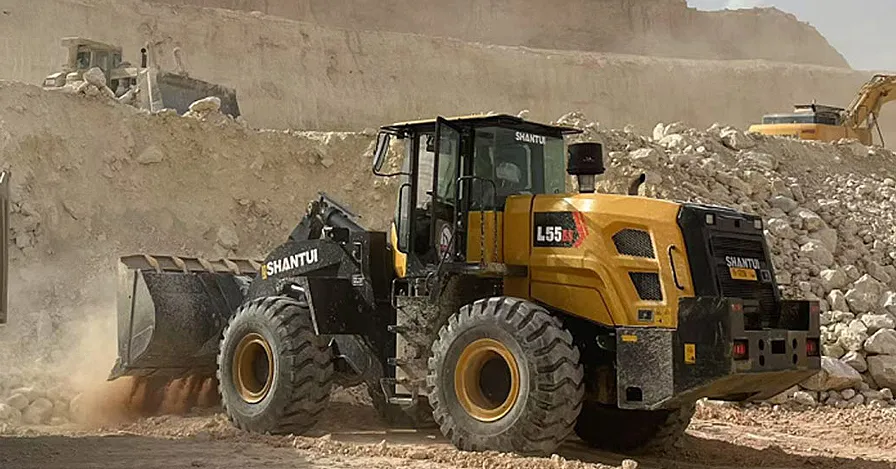
Motor Graders in the UAE: Precision Grading for Roads and Sites
A bulldozer moves bulk material to roughly the right shape. A motor grader takes it the rest of the way - fine-grading to the tight tolerance a road base, a building pad or a drainage channel actually needs before the next construction stage can begin. That finishing precision is the entire reason motor graders exist as a distinct machine category rather than just a bigger blade on a dozer. This guide covers what a motor grader does, why blade control and articulation set it apart from bulk-earthmoving equipment, and the Shantui Motor Grader Series GENAVCO supplies across the UAE. What a Motor Grader Actually Does A motor grader uses a long, centrally mounted blade - adjustable in angle, pitch and side-shift - to fine-grade surfaces to a precise tolerance, typically as a finishing pass after bulk earthmoving by a bulldozer or excavator. Its long wheelbase and articulated frame let it maintain a straight, even grade across a run in a way a shorter, less precisely controlled blade can't match. Motor Grader vs Bulldozer: Different Stage, Different Job Factor Motor grader Bulldozer Primary role Fine grading to precise tolerance Bulk material pushing and rough shaping Blade control Adjustable angle, pitch and side-shift, centrally mounted Front-mounted, primarily push/lift Typical sequence position Finishing pass, after bulk earthworks Earlier stage, bulk material movement Precision High - tight surface tolerance Lower - shaping rather than finishing The Shantui Motor Grader Available in the UAE Product Type Suited to Motor Grader Series Fine grading machine Road base preparation, site grading and precise surface finishing 1. Shantui Motor Grader Series Positioned by Shantui as: a more recent addition to the product lineup, now an established part of Shantui's construction equipment range. Application fit: road base preparation, site grading and precision surface finishing following bulk earthworks. View Shantui motor grader series Not sure which motor grader configuration suits your grading work? Send us your typical surface tolerance requirement and project scale - our team will confirm the right Shantui motor grader specification. REQUEST A MOTOR GRADER SPECIFICATION REVIEW How to Specify a Motor Grader Step 1 - Confirm the required surface tolerance for your project specification - road base, building pad and drainage grading each demand different precision. Step 2 - Check blade width and control configuration against your typical run width and grading complexity. Step 3 - Confirm where in your earthworks sequence the grader fits - typically after bulk material movement by dozer or excavator. Step 4 - Consider grade control technology (laser or GPS) if your project's tolerance requirements justify the added precision. Motor Graders in UAE Road and Site Work Large-scale road construction programmes rely on consistent grading: the UAE's extensive road building activity generates steady demand for precise base preparation ahead of paving. Heat affects operator comfort during extended grading passes: cab climate control matters for sustained precision work across UAE summer conditions. Site grading for major developments is a common application: building pad preparation for large-scale commercial and residential developments across the UAE relies on motor grader precision. Why Choose GENAVCO for Motor Graders in the UAE Part of Juma Al Majid Holding Group: decades of established presence in the UAE market and the financial stability of a major regional group. Authorised Shantui representation: genuine equipment from one of the world's top 50 construction equipment manufacturers, with factory-backed specification and full warranty integrity. Coordinated across the earthworks sequence: GENAVCO supplies the bulldozers and drill rigs that come before grading and the road pavers that follow it, advising across the full construction sequence. In-country spare parts inventory: our genuine spare parts operation holds stock locally so servicing isn't delayed waiting on shipment from China. Certified service and maintenance: scheduled servicing and breakdown response through our repairs and maintenance division across the UAE. Common Motor Grader Mistakes Using a grader for bulk material movement: a grader is a precision finishing tool, not a substitute for a bulldozer's bulk-pushing capability. Skipping grade control on tight-tolerance projects: manual grading on projects with strict surface tolerance specifications risks costly rework. Sequencing grading before bulk earthworks are complete: fine grading over an unfinished bulk-shaped surface wastes passes and doesn't achieve final tolerance. Frequently Asked Questions What is a motor grader used for? A motor grader fine-grades surfaces to a precise tolerance - road bases, building pads, drainage channels - typically as a finishing pass after bulk earthmoving by a bulldozer or excavator. What is the difference between a motor grader and a bulldozer? A motor grader uses a precisely adjustable, centrally mounted blade for fine grading to tight tolerance. A bulldozer uses a front-mounted blade primarily for bulk material pushing and rough shaping, an earlier stage in the earthworks sequence. Does GENAVCO supply genuine parts for the Shantui motor grader? Yes. As the authorised Shantui distributor in the UAE, GENAVCO holds genuine parts in stock and provides certified technical support across our UAE-wide network. When in a construction sequence is a motor grader used? Typically after bulk earthworks by a bulldozer or excavator, as the finishing pass that brings the surface to its final, precise tolerance before the next construction stage. Ready to Specify Your Motor Grader? The right motor grader depends on required surface tolerance and where it fits in your earthworks sequence, not blade size alone. GENAVCO supplies the Shantui Motor Grader Series across the UAE, with specification support and after-sales service. Tell us your surface tolerance requirement and project scale. We'll confirm the right motor grader and price it properly. Serving Dubai, Abu Dhabi, Sharjah and the wider UAE. REQUEST A MOTOR GRADER SPECIFICATION REVIEW
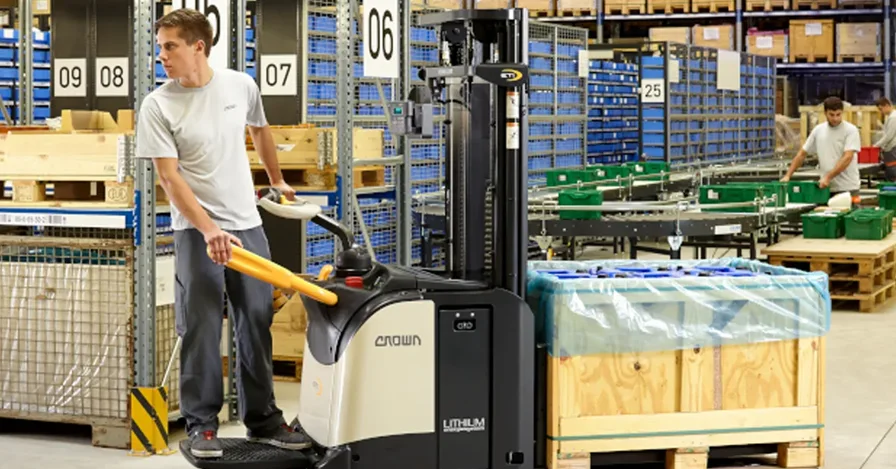
Reach Trucks in the UAE: Vertical Access in Narrow Aisles
A counterbalance forklift needs wide aisles to turn and position itself in front of a racking bay. A reach truck solves that constraint differently - it extends its forks forward into the rack rather than driving the whole truck up close, letting it work in aisles a counterbalance machine simply can't fit into, and reach higher racking levels in the process. This guide covers how reach trucks work, when they beat a counterbalance forklift or a full VNA truck, and the Crown reach truck range GENAVCO supplies across the UAE. What a Reach Truck Actually Does A reach truck extends and retracts its fork carriage forward and backward independently of the truck's own movement, letting it place and retrieve pallets deep into racking without driving the whole vehicle up to the bay face. This reach mechanism, combined with a narrower stance than a counterbalance forklift, is what lets reach trucks operate in aisles roughly 2.5 to 3.5 metres wide and access taller racking levels. Reach Trucks vs Counterbalance Forklifts vs VNA Trucks Factor Reach truck Counterbalance forklift VNA truck Typical aisle width 2.5 - 3.5 metres 3.5+ metres Under 2 metres Lift height reach Higher than counterbalance Lower, limited by stability Highest, purpose-built for tall racking Best suited to Mid-density warehouses, narrower standard aisles General dock and yard work, wide-aisle storage Maximum-density, high-bay warehouses The Crown Reach Truck Range Available in the UAE Product Type Suited to Reach Trucks (ESR Series) Standard reach truck Narrow aisle storage and retrieval with fast lowering cycle times Pantograph Reach Trucks (RR/RD Series) Deep-reach pantograph reach truck Narrow-aisle rider trucks needing deep reach into racking 1. Crown ESR Series Reach Trucks Confirmed feature: Xpress Lower technology that can double lowering speed to improve cycle times. Application fit: narrow aisle storage and retrieval where cycle time and lowering speed directly affect warehouse throughput. View Crown reach trucks 2. Crown Pantograph Reach Trucks (RR/RD Series) Confirmed feature: the RD Series is a narrow-aisle rider reach truck with a deep-reach pantograph mechanism. Application fit: warehouses needing deeper rack penetration than a standard reach truck offers, within narrow-aisle constraints. View Crown pantograph reach trucks Not sure whether a reach truck or a VNA truck suits your warehouse? Send us your aisle width, racking height and typical throughput - our team will recommend the right Crown equipment. REQUEST A REACH TRUCK SPECIFICATION REVIEW GENAVCO's Existing Coverage on Reach Trucks GENAVCO's own guide on why forklift productivity matters more than forklift speed makes the case that load cycle time and travel pattern - not top speed - is what actually determines warehouse throughput, a principle that applies directly to reach truck selection given how much cycle time depends on lowering speed and reach mechanism. How to Specify a Reach Truck Step 1 - Confirm your current or planned aisle width - this decides between reach truck, counterbalance and VNA categories before anything else. Step 2 - Check maximum racking height against the truck's rated lift height. Step 3 - Confirm whether standard reach or deep-reach pantograph configuration matches your racking depth. Step 4 - Factor in cycle time requirements - lowering speed technology can materially affect throughput on high-frequency operations. Reach Trucks in UAE Warehouses Land cost makes aisle-width optimisation a genuine value driver: Reach trucks let UAE warehouses recover storage density without the full commitment of VNA infrastructure. Multi-shift operation makes cycle time compound: small lowering-speed gains matter more across extended, high-frequency warehouse operations. Retrofit into existing standard-aisle warehouses is common: Reach trucks suit warehouses with aisles too narrow for counterbalance forklifts but not built to VNA tolerances. Why Choose GENAVCO for Reach Trucks in the UAE Part of Juma Al Majid Holding Group: decades of established presence in the UAE market and the financial stability of a major regional group. Authorised Crown representation: genuine equipment with factory-backed specification and full warranty integrity. Cycle-time-focused specification: our team confirms lowering speed and reach configuration against your actual throughput needs, not just aisle width. In-country spare parts inventory: our genuine spare parts operation holds stock locally so servicing isn't delayed waiting on shipment. Common Reach Truck Mistakes Choosing standard reach where deep-reach was needed: racking depth beyond standard reach truck capability needs the pantograph configuration instead. Ignoring lowering speed impact on cycle time: high-frequency operations benefit measurably from faster lowering technology, a factor easy to overlook against headline lift height. Specifying aisle width and truck separately: reach truck width and racking aisle design should be confirmed together, not sequentially. Frequently Asked Questions What is a reach truck used for? A reach truck extends its forks forward into racking to place and retrieve pallets, letting it operate in narrower aisles and access higher racking levels than a counterbalance forklift. What is the difference between a reach truck and a VNA truck? Reach trucks operate in aisles roughly 2.5 to 3.5 metres wide. VNA (very narrow aisle) trucks operate in aisles under 2 metres, using a rotating fork mechanism rather than a reach mechanism, for maximum storage density. What does the Crown ESR Series offer? The Crown ESR Series reach truck features Xpress Lower technology that can double lowering speed, improving cycle times for narrow aisle storage and retrieval. Does GENAVCO supply genuine parts for Crown reach trucks? Yes. As the authorised Crown distributor in the UAE, GENAVCO holds genuine parts in stock and provides certified technical support across our UAE-wide network. Ready to Specify Your Reach Truck? The right reach truck depends on aisle width, racking depth and cycle time needs, not lift height alone. GENAVCO supplies the Crown ESR and Pantograph reach truck range across the UAE, with specification support and after-sales service. Tell us your aisle width, racking height and throughput needs. We'll recommend the right reach truck and price it properly. Serving Dubai, Abu Dhabi, Sharjah and the wider UAE. REQUEST A REACH TRUCK SPECIFICATION REVIEW

Vibratory Plates in the UAE: Compaction for Confined and Granular Work
A vibratory plate compactor and a roller both compact ground, but they're specified for genuinely different situations - a plate suits granular material and confined spaces a roller can't manoeuvre into, while a roller suits broader, more continuous compaction runs. Choosing between them comes down to material type and site geometry, not raw preference. This guide covers when a vibratory plate is the right choice over a roller, and the Husqvarna Plate Compactor range GENAVCO supplies across the UAE. What a Vibratory Plate Actually Does A vibratory plate compactor uses a vibrating steel base plate, driven by an eccentric weight system, to compact granular soils, aggregate and asphalt patches through repeated rapid impact rather than a rolling drum's continuous pressure. This makes it especially effective on loose or granular material and practical in confined spaces where a roller's turning radius and width don't fit. Vibratory Plate vs Roller: According to GENAVCO's Own Guide GENAVCO's published guide on soil compactors and plate compactors sets out the distinction clearly: soil compactors (rollers) suit highway construction, infrastructure projects and large earthworks needing deep compaction and higher productivity, while plate compactors suit sidewalks, trenches, landscaping work and smaller construction projects needing manoeuvrability in restricted spaces. Factor Vibratory plate compactor Roller (soil compactor) Best suited to Sidewalks, trenches, landscaping, smaller projects Highway construction, infrastructure, large earthworks Material fit Granular materials, confined-space surface prep Deep compaction across large, open areas Manoeuvrability Higher - fits restricted spaces Lower - needs open working area The Husqvarna Vibratory Plate Range Available in the UAE Product Type Suited to Plate Compactors (Forward Plate Compactors) Vibratory plate compactor Granular material compaction and surface preparation in confined spaces 1. Husqvarna Plate Compactors Positioned by Husqvarna as: forward plate compactors that share the common feature of letting the operator keep control and precision during compaction. Application fit: sidewalks, trenches, landscaping work and smaller construction projects, as well as asphalt patch compaction. View Husqvarna plate compactors Not sure whether a vibratory plate or a roller suits your job? Send us your material type, site access and project scale - our team will confirm the right Husqvarna equipment. REQUEST A VIBRATORY PLATE SPECIFICATION REVIEW How to Specify a Vibratory Plate Compactor Step 1 - Confirm material type - granular soils and aggregate suit plate compaction well; cohesive clay soils often need a different approach. Step 2 - Check site access and confined space requirements against roller alternatives. Step 3 - Confirm plate size and vibration force against your required compaction depth. Step 4 - Consider whether the same job also needs a walk-behind roller for broader areas within the same project. Vibratory Plates in UAE Site Work Trench backfill and utility work is common: the UAE's active infrastructure programme generates steady demand for confined-space compaction. Landscaping and villa development favour plate compaction: smaller-scale residential and landscaping projects suit the plate's manoeuvrability over roller alternatives. Loose, granular ground conditions are common: sandy and granular soil typical across parts of the UAE respond well to vibratory plate compaction. Why Choose GENAVCO for Vibratory Plates in the UAE Part of Juma Al Majid Holding Group: decades of established presence in the UAE market and the stability of a major regional group. Authorised Husqvarna representation: genuine equipment with factory-backed specification and full warranty integrity. Honest equipment matching: GENAVCO's own published guidance distinguishes when a plate compactor suits the job better than a roller, and our team applies that same logic to your project. In-country spare parts inventory: our genuine spare parts operation holds stock locally so servicing isn't delayed waiting on shipment. Common Vibratory Plate Mistakes Using a plate compactor for large open-area work: a roller covers broader areas faster once site access allows it. Choosing plate compaction for cohesive clay soils: some soil types respond better to different compaction technology - material type should drive the choice. Undersizing plate weight for required compaction depth: insufficient vibration force and plate weight fail to achieve target density in deeper lifts. Frequently Asked Questions What is a vibratory plate used for? A vibratory plate compactor is used to compact granular soils, aggregate and asphalt patches in confined spaces, using a vibrating base plate rather than a roller's continuous drum pressure. When should I choose a vibratory plate over a roller? Choose a vibratory plate for sidewalks, trenches, landscaping and smaller projects in confined or restricted spaces. Choose a roller for highway construction, infrastructure and large earthworks needing deep compaction over open areas. Does GENAVCO supply genuine parts for Husqvarna plate compactors? Yes. As the authorised Husqvarna distributor in the UAE, GENAVCO holds genuine parts in stock and provides certified technical support across our UAE-wide network. What material types suit vibratory plate compaction? Granular materials and aggregate suit vibratory plate compaction well, while project scale and site access are equally important factors alongside material type. Ready to Specify Your Vibratory Plate? The right choice between a plate compactor and a roller depends on material type, site access and project scale, not machine preference. GENAVCO supplies the Husqvarna plate compactor range across the UAE, with specification support and after-sales service. Tell us your material type and site access. We'll recommend the right compaction equipment and price it properly. Serving Dubai, Abu Dhabi, Sharjah and the wider UAE. REQUEST A VIBRATORY PLATE SPECIFICATION REVIEW